Orthopaedic Treatment in Navi Mumbai, at UMC Hospitals
UMC Hospitals, Navi Mumbai, one of the best orthopaedic hospitals in Navi Mumbai, provides comprehensive, consultant-led orthopaedic care for bones, joints, muscles, ligaments, and tendons, emphasizing precise diagnosis, minimally invasive treatment, and structured rehabilitation for faster, safer recovery. The aim is not only to treat the X-ray or MRI finding, but to understand how the problem is affecting daily movement and plan treatment accordingly.
Conditions We Treat
-
Fractures and Trauma
From minor wrist fractures after a fall on an outstretched hand to complex multi-bone injuries following road accidents. Patients may notice immediate swelling around the joint, deformity, or inability to bear weight, especially when the tibia or ankle is involved.
-
Joint Disorders
This includes osteoarthritis, rheumatoid arthritis, avascular necrosis, cartilage and ligament injuries, and deformities. Delay in seeking care can worsen the condition.
-
Sports Injuries
This includes ligament Injuries like ACL/PCL tears, meniscus injuries, shoulder instability, rotator cuff tears, and recurrent ankle sprains.
-
Hand and Upper Limb
Numbness or tingling in the thumb, index, and middle fingers, often worse at night. Patients may wake up and shake their hands for relief. Grip weakness, like difficulty holding a phone or utensil, may follow.
-
Foot and Ankle
This includes Achilles disorders, ligament injuries, bunions, flatfoot, plantar fasciitis, and deformities.
-
Pediatric Orthopaedics
Conditions like bow legs, knock knees, or delayed walking are commonly brought in by anxious parents. In many cases, these may be part of normal development—but careful assessment is required to rule out underlying issues.
-
Bone Tumors and Infections
Persistent, dull pain in the spine or long bones, sometimes associated with swelling or low-grade fever. In our setting, skeletal tuberculosis still presents, often subtly, and may be missed without a high index of suspicion.
Diagnostic Services
Diagnosis is rarely based on a single test. It evolves from history, examination, and imaging.
-
Digital X-rays for quick assessment of fractures, arthritis, and alignment
-
Ultrasound-guided evaluation is particularly useful for shoulder or tendon-related pain
-
CT scans were used for fracture complexity or implant planning needs clarity
-
Gait and limb alignment analysis is helpful in knee and hip problems
-
Image-guided injections, which sometimes serve both diagnostic and therapeutic roles
Treatments and Surgeries
-
Fracture and Trauma Care
Ranges from casting and closed reduction to surgical fixation with plates, rods, or screws. In complex injuries, staged (damage-control) approaches and limb reconstruction may be required.
-
Arthroscopy
Minimally invasive (keyhole) procedures for the knee, shoulder, hip, elbow, and ankle to treat ligament, meniscus, labrum, and cartilage injuries through small incisions.
-
Joint Preservation
Procedures like osteotomy and cartilage restoration are aimed at delaying joint replacement, especially in younger patients. Biologic therapies may be considered in select cases.
-
Joint Replacement (Arthroplasty)
Partial or total replacement of knee, hip, or shoulder joints for advanced arthritis, including revision surgeries when older implants fail.
-
Hand, Wrist, and Elbow
Nerve decompression, tendon repair, and release of contractures to restore movement and hand function.
-
Foot and Ankle
Ligament stabilisation, deformity correction (including minimally invasive techniques), and tendon procedures.
-
Tumor and Infection Surgery
Biopsy, limb-salvage reconstruction, debridement, stabilisation, and targeted antibiotic management.
Sports Medicine
Care spans from injury prevention and early assessment to imaging, arthroscopic repair, and structured rehabilitation. Return-to-sport decisions are guided by functional testing, along with bracing, taping, and gradual performance reconditioning for active individuals.
Joint Replacement Program
Our program focuses on appropriate patient selection, correct implant choice, and alignment. Pain control starts before surgery and continues through recovery. Most patients are mobilized within 24 hours. Stair climbing is introduced early, sometimes by day two or three.
Rehabilitation and Physiotherapy
Physiotherapy plans are tailored, not generic sheets of exercises. A patient recovering from ACL surgery follows a very different protocol from someone with a shoulder repair. Progression is gradual and is also accompanied by the use of orthotics and prosthetic support if needed.
Pain and Bone Health Clinics
Targeted injections, guided by imaging, may provide relief in selected cases of arthritis and back pain. Alongside this, bone health is addressed. Vitamin D deficiency is extremely common in urban patients. Osteoporosis screening is advised when needed, especially in postmenopausal women or those with recurrent fractures.
Day-care and ERAS
Not every surgery needs a prolonged hospital stay. Many arthroscopic procedures are done as day care. Patients walk in, undergo surgery, and return home the same evening. Enhanced Recovery After Surgery (ERAS) protocols help reduce nausea, control pain better, and encourage early movement. This often shortens recovery time and reduces complications.
Technology and Safety
High-definition arthroscopy systems, advanced instruments, and imaging support enable precision during procedures. Strict protocols for infection control, VTE prevention, and antibiotic use are followed, with surgical safety checklists ensuring consistency and patient safety at every step.
The Care Journey
The first consultation is usually detailed. Patients are encouraged to describe not just the pain, but when it occurs, while climbing stairs, sitting cross-legged, or turning in bed. These clues matter. On examination, specific points are assessed, such as joint line tenderness in the knee, impingement signs in the shoulder, or alignment from hip to ankle. Investigations are then advised selectively. Before visiting, it helps to bring previous reports, X-rays, MRIs, and even old prescriptions. Also note current medications, especially blood thinners. Treatment is discussed openly. Not every case needs surgery. But when it is required, the reasoning is explained clearly.
Why Choose UMC Hospitals
The best orthopaedic doctors in Navi Mumbai at UMC Hospitals are committed to offering:
-
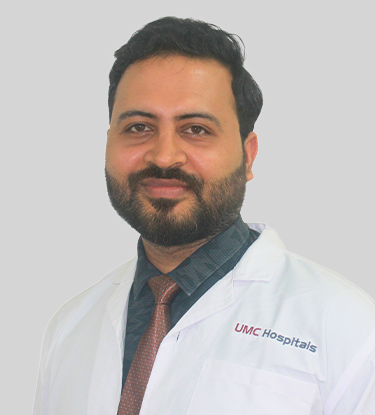
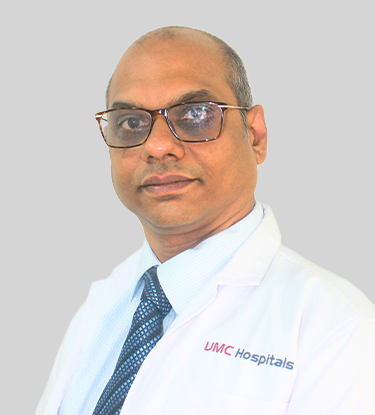
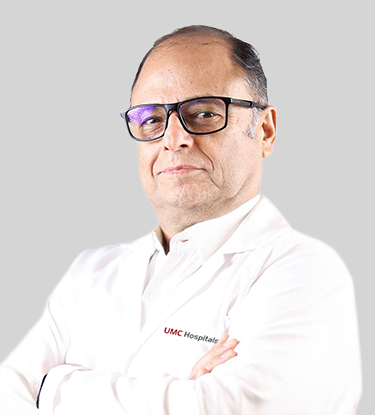
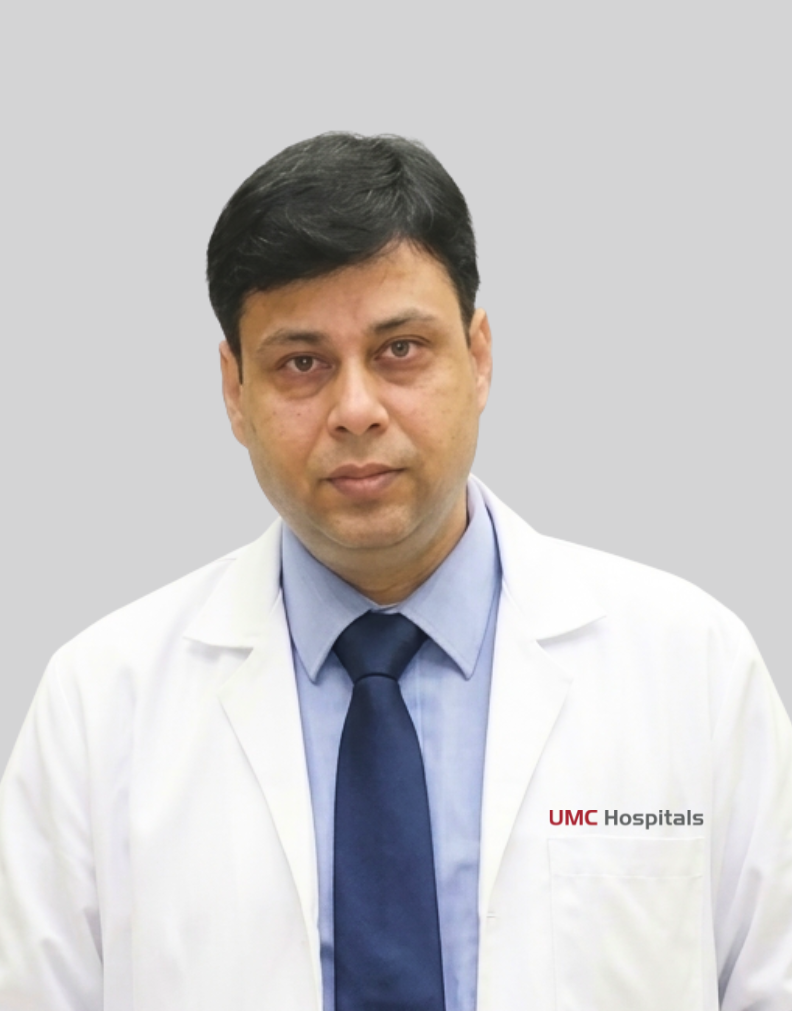
Care is consultant-led, with subspecialists handling specific areas like joint replacement, sports injuries, trauma, or pediatric orthopaedics
-
Minimally invasive techniques are preferred when they offer real benefit, not just as a trend
-
Imaging, physiotherapy, and pain management and rehabilitation care are coordinated under one system, reducing delays
FAQs
-
Is surgery always necessary for joint pain?
Not always. Many patients improve with physiotherapy, weight management, and medication. Surgery is considered when function remains significantly limited.
-
Are minimally invasive options always possible?
Not always. The technique of surgery depends on diagnosis, anatomy, and the prior medical history of the patient.
-
How painful is recovery after orthopaedic surgery?
Pain is expected initially, but it is usually controlled well with a combination of medications and early movement strategies.
-
How long do knee or hip implants last?
Modern implants often last 15–20 years or more, though this can vary based on activity level and bone quality.
-
When can I return to work?
Desk work may resume within days after minor procedures, but physically demanding jobs take longer, sometimes several weeks.
-
Is physiotherapy really necessary?
Yes. Without guided rehabilitation, recovery may remain incomplete, even if the surgery itself was technically successful.
Book an Appointment
To see our orthopaedic specialists at UMC Hospitals, Navi Mumbai, for a consultation, sports injury assessment, or second opinion, request a call-back or schedule a visit. Our team will coordinate evaluation, preparation, and next steps based on your condition and clinical priorities.