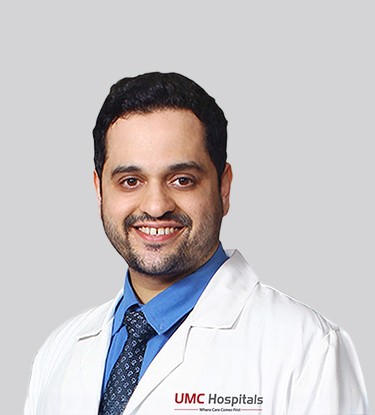
Best Cancer Hospital in Navi Mumbai - Medical and Surgical Oncology at UMC Hospitals
UMC Hospitals is recognized as one of the best cancer hospitals in Navi Mumbai, offering comprehensive Medical and Surgical Oncology with consultant-led, multidisciplinary care from diagnosis to treatment and survivorship, coordinated across specialties for timely, safe outcomes. Our team of experienced cancer specialists in Navi Mumbai delivers care through protocol-driven pathways, day-care chemotherapy services, and modern operating support in collaboration with allied departments to optimize quality of life and recovery.
Conditions We Treat
-
Solid Tumours
Breast, gastrointestinal, hepatopancreatobiliary, colorectal, thoracic, head and neck, urologic, gynaecologic, sarcoma, and select skin cancers, each managed through organ-specific expertise and multidisciplinary input.
-
Haematologic Malignancies
Co-managed through medical oncology protocols with appropriate supportive services, including neutropenia management and disease-specific monitoring.
Diagnostic Services
The Department of Medical and Surgical Oncology at UMC Hospitals is supported by targeted diagnostic tools selected based on clinical need and tumour-specific considerations:
-
Histopathology and Immunohistochemistry
Definitive tissue diagnosis and biomarker-driven treatment planning for solid and haematologic cancers.
-
Flow Cytometry and Molecular Testing
Refining tumour classification, risk stratification, and eligibility for targeted therapies where clinically indicated.
-
Imaging Coordination
Cross-sectional imaging in collaboration with radiology for accurate staging, response assessment, and pre-procedural planning.
Medical Oncology
-
Evidence-based chemotherapy regimens for solid tumours and haematologic cancers, delivered with neutropenia support and trained oncology nursing throughout each cycle.
-
Targeted therapies and immunotherapy incorporated based on tumour biomarker profiles and clinical indications, enabling personalised systemic treatment.
-
Intravesical and intra-arterial options as part of selected site-specific protocols, integrated within the multidisciplinary treatment framework.
Surgical Oncology
-
Breast conservation surgery and mastectomy with axillary staging, supported by oncoplastic or reconstructive referral pathways as required.
-
Organ-specific resections for colorectal, gastric, hepatobiliary, pancreatic, thoracic, urologic, and head and neck cancers, performed using standardised oncologic principles.
-
Minimally invasive and open surgical techniques selected based on disease stage, tumour anatomy, and individual safety considerations.
Day-Care and Recovery
-
Chemotherapy cycles, selected oncologic procedures, and post-treatment monitoring delivered through day-care pathways, improving convenience while reducing unnecessary inpatient admissions.
-
Enhanced recovery practices applied to major resections, aligned with established surgical care protocols to shorten convalescence and support earlier return to daily function.
Supportive Care
Symptom management, pain control, and supportive oncology services are embedded throughout treatment to preserve patient function and comfort at every stage. Coordinated care navigation covering investigations, appointments, and interdepartmental referrals, reducing delays and streamlining the overall treatment experience.
The Care Journey
The first consultation begins with a thorough review of prior pathology, imaging, and treatment records, followed by a focused evaluation and staging workup. Findings are discussed transparently, with options explained alongside realistic timelines, benefits, and risks. Multidisciplinary recommendations then integrate systemic therapy, surgery, and adjunct procedures tailored to tumour type and stage. Follow-up includes scheduled surveillance, toxicity monitoring, and survivorship planning for durable outcomes. To enable accurate planning from the outset, patients should bring all prior reports, a current medication list, and notes on symptoms, treatment tolerance, and any previous adverse effects.
Why Choose UMC Hospitals
-
Multidisciplinary team of cancer specialists in Navi Mumbai integrating medical oncology, surgical oncology, pathology, radiology, and supportive care, for end-to-end, coordinated treatment planning across all major cancer types.
-
Day-care chemotherapy and protocolized supportive care that minimizes hospital stay without compromising on safety or comfort across treatment cycles.
-
Operating theatre and perioperative collaboration for cancer resections, guided by enhanced recovery principles drawn from established surgical pathways.
-
Consistent focus on quality of life, symptom control, and structured follow-up across the full patient journey.
Our cancer specialists in Navi Mumbai function as a unified, integrated team. Medical oncologists, surgical oncologists, pathologists, radiologists, oncology nurses, pharmacists, and care coordinators work together across the full continuum of care, from initial diagnosis through treatment and survivorship. Sub-specialty expertise is available across all major tumour types, with access to second opinions and personalized planning for every patient.
FAQs
-
Is chemotherapy always required?
Treatment is individualized. Systemic therapy, surgery, or a combination of both is selected based on tumour biology, stage, and performance status through multidisciplinary review, not as a default for all patients.
-
Are minimally invasive cancer surgeries possible?
The surgical approach is determined by disease site and extent, balancing oncologic safety with recovery benefits. Minimally invasive techniques are used where feasible and appropriate to the clinical situation.
-
How are treatment side effects managed?
Protocolized supportive care, routine monitoring, and dose adjustments are built into every regimen to maintain patient safety and quality of life throughout therapy.
-
Can cancer treatment be delivered as day care?
Yes. Many chemotherapy cycles and selected procedures are safely administered in day-care settings, supported by trained oncology nursing teams and structured protocols.
-
What happens after treatment ends?
Survivorship planning includes structured surveillance schedules, rehabilitation support, and ongoing symptom management to support return to daily life and long-term well-being.
Book an Appointment
To consult a cancer specialist in Navi Mumbai or seek a second opinion at UMC Hospitals, an appointment can be scheduled for coordinated evaluation, staging workup, and a personalised treatment plan with the multidisciplinary oncology team.